
Call Now:
+86 13565902013
Call Now:
+86 13565902013
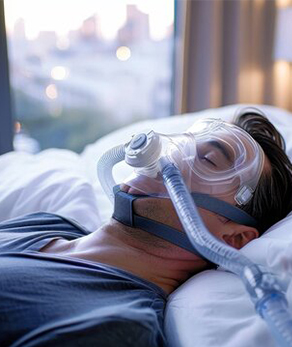



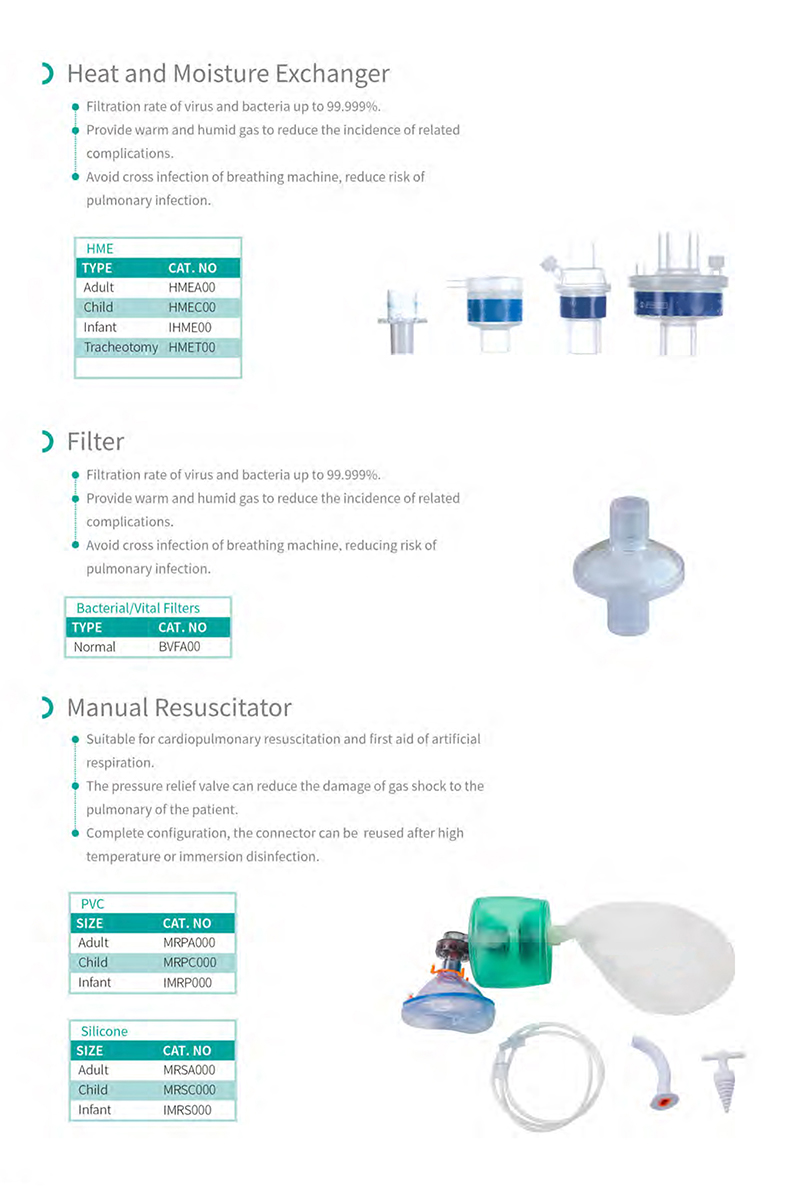
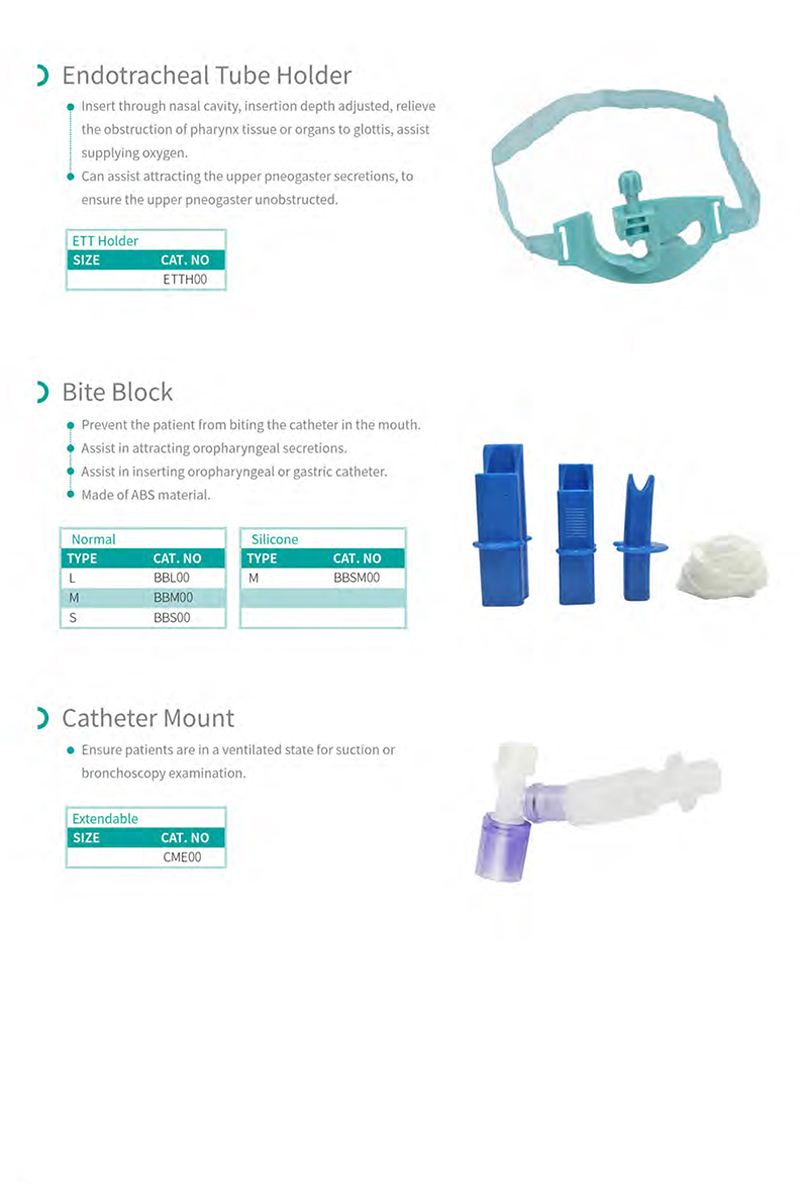
Our Airway Management solutions ensure secure, reliable airway access for patients in critical and surgical settings. This range includes essential tools such as endotracheal tubes, tracheostomy tubes, laryngeal masks, and anesthesia breathing circuits. Each product is designed to support optimal oxygen delivery, ventilation, and patient safety.
We understand the importance of high-quality airway management in critical care, which is why our products undergo rigorous testing and adhere to the highest industry standards. By offering advanced solutions that prioritize both effectiveness and reliability, we aim to empower healthcare professionals to deliver the best possible care in urgent situations. With our airway management tools, clinicians can confidently manage diverse patient needs, knowing they have dependable equipment at their fingertips.
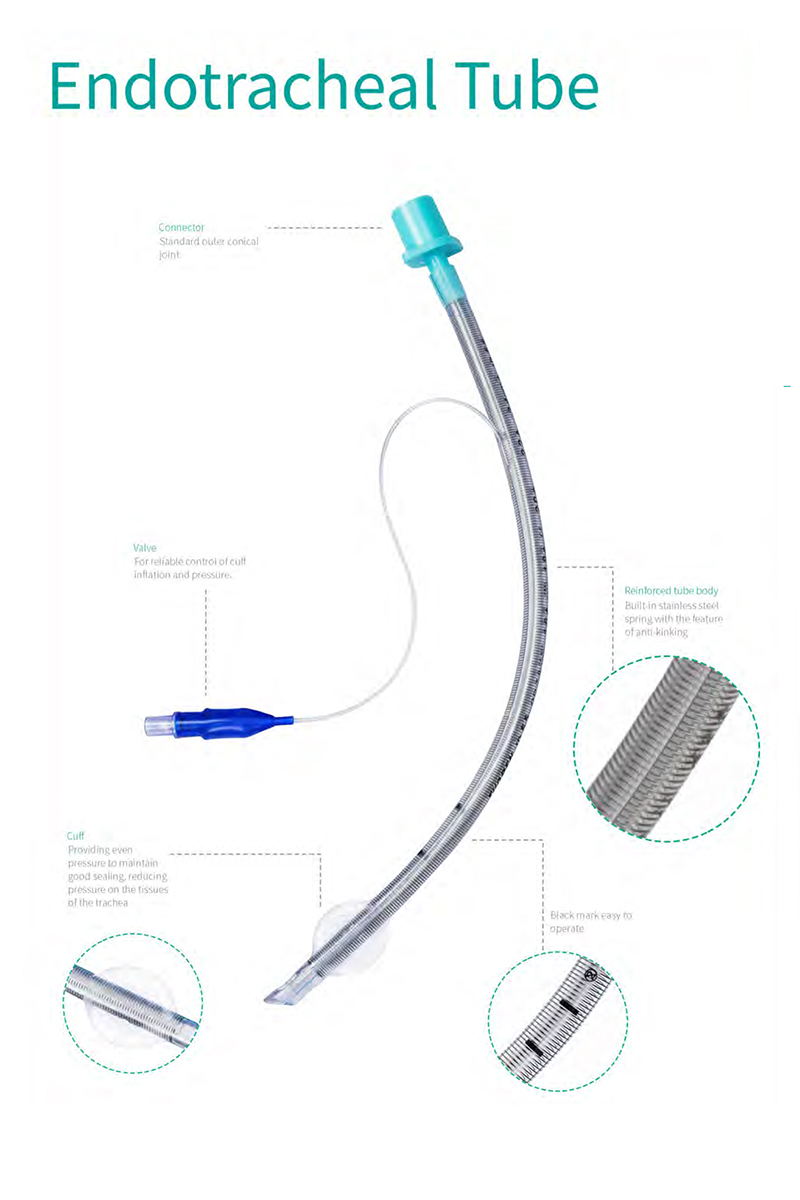
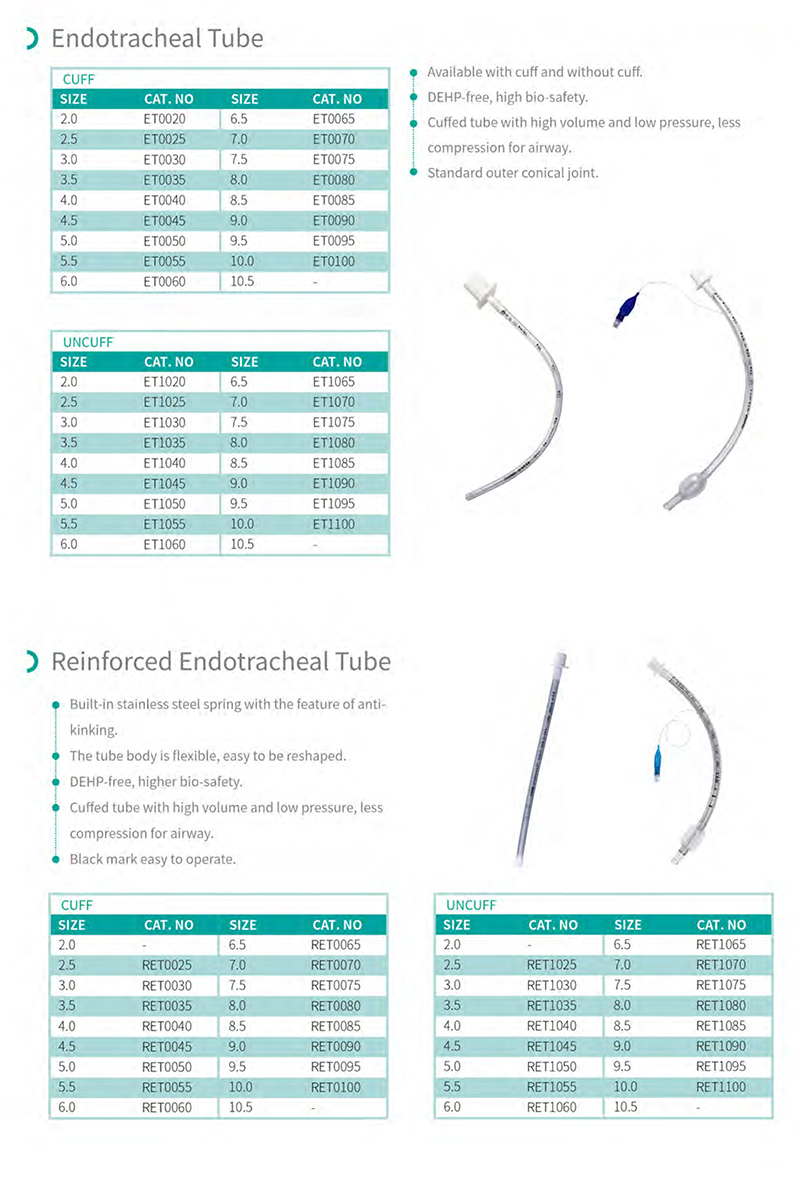
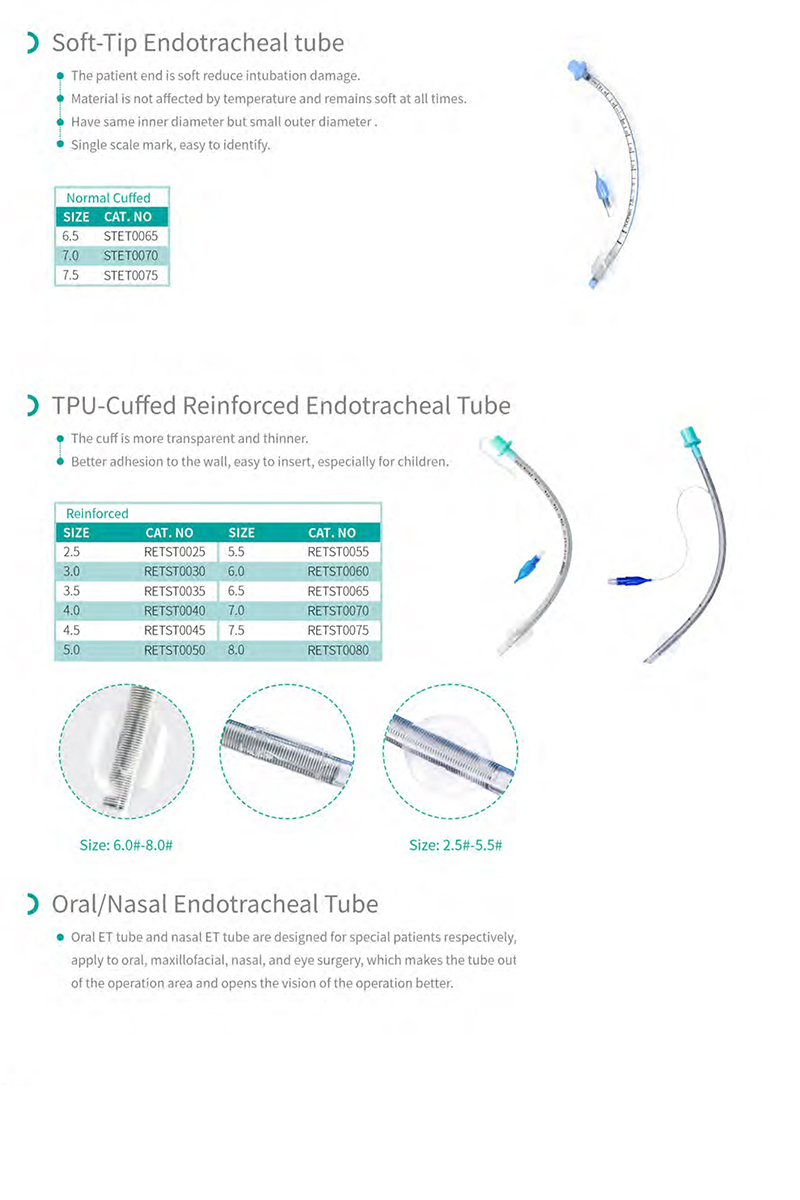
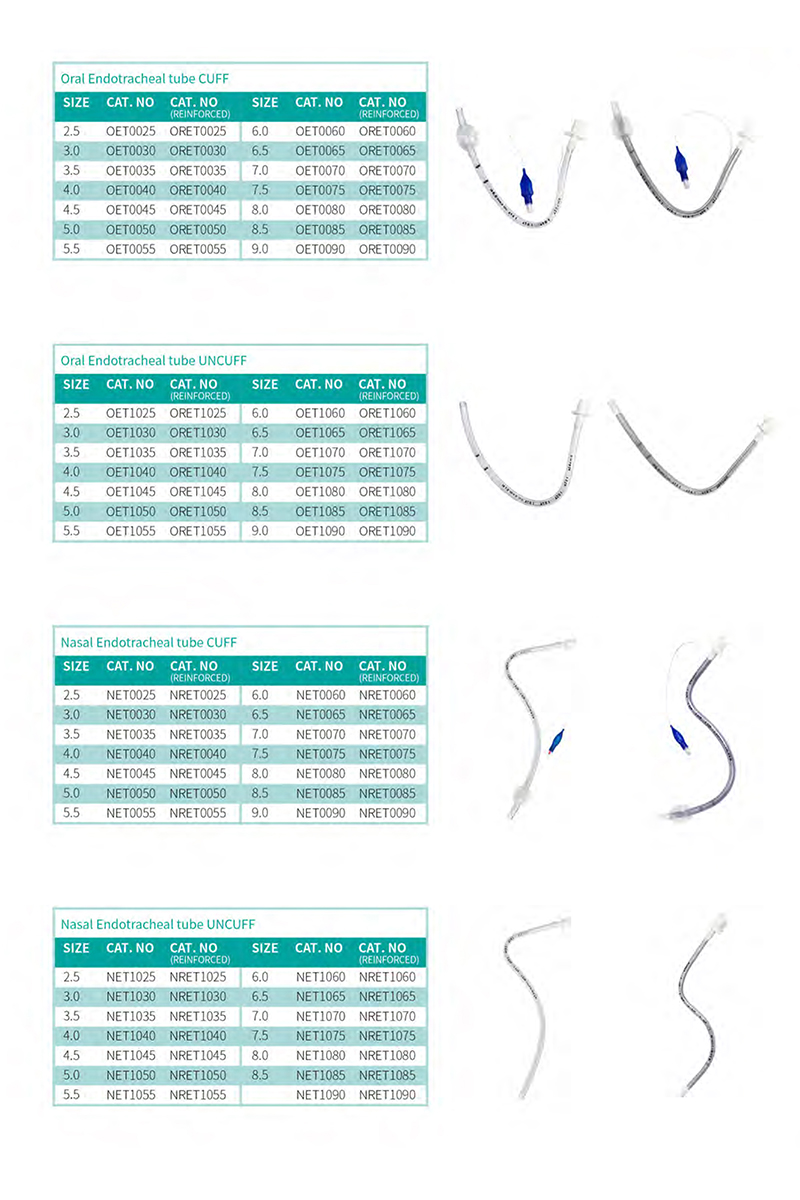
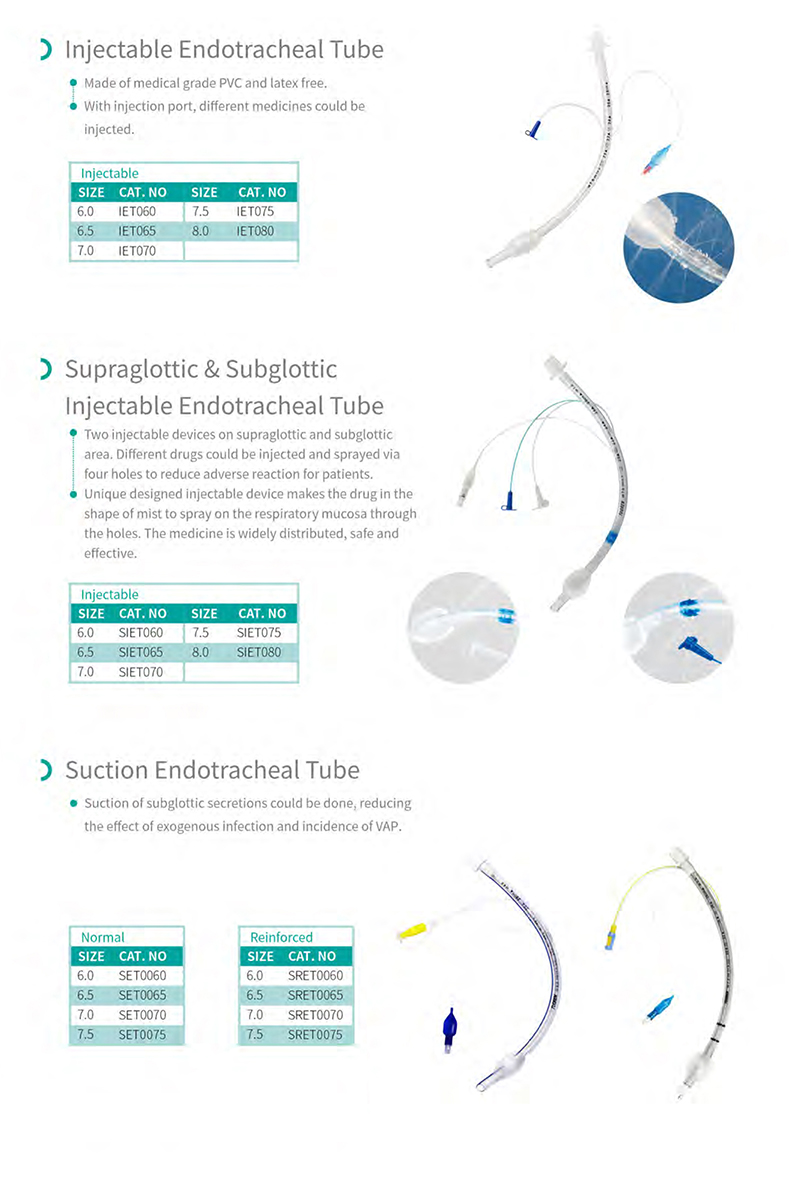
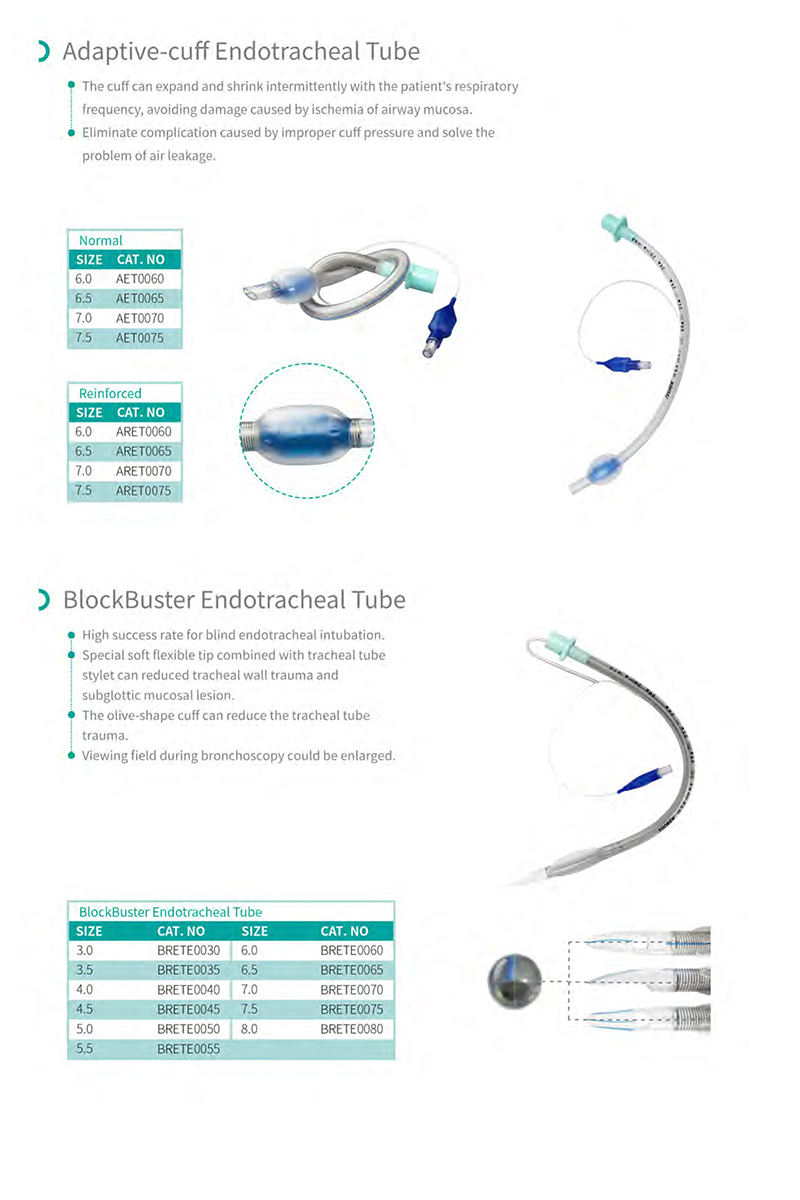
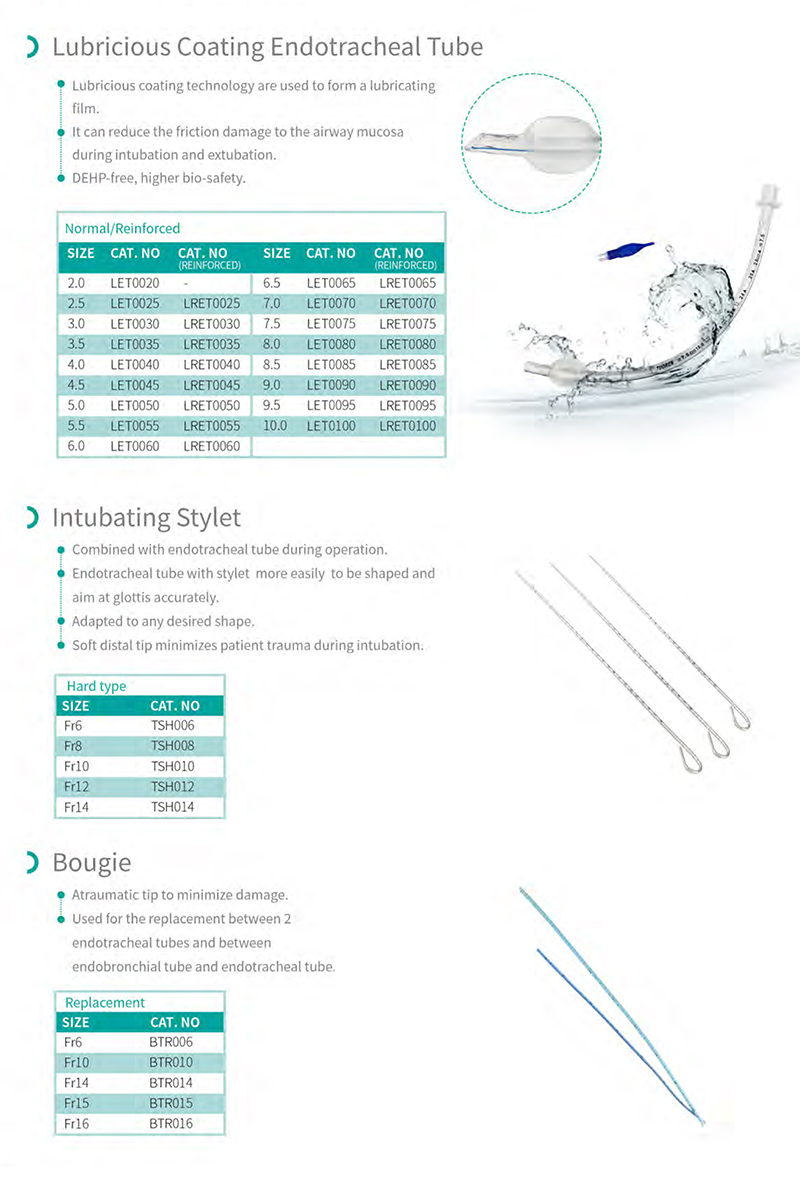
An endotracheal tube is a medical device inserted into the trachea to maintain an open airway and facilitate mechanical ventilation. It is commonly used during surgery or in critical care settings to ensure proper breathing support for patients.
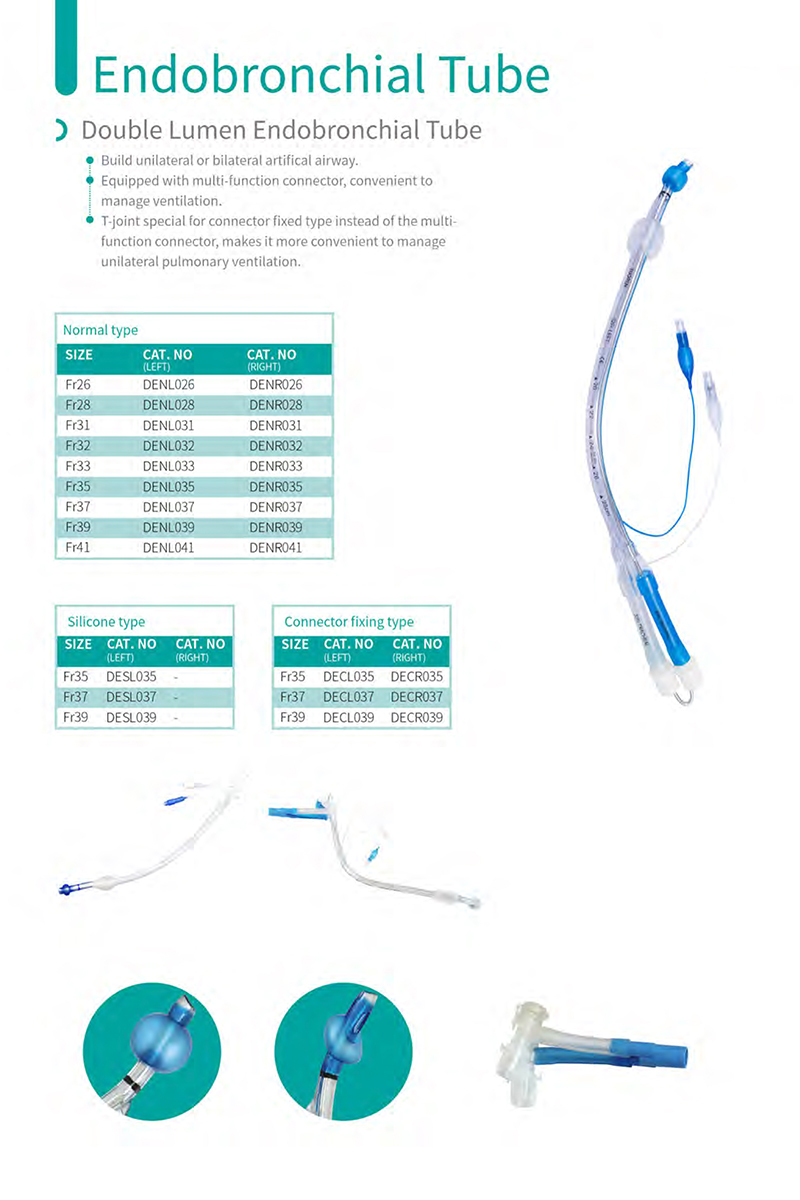
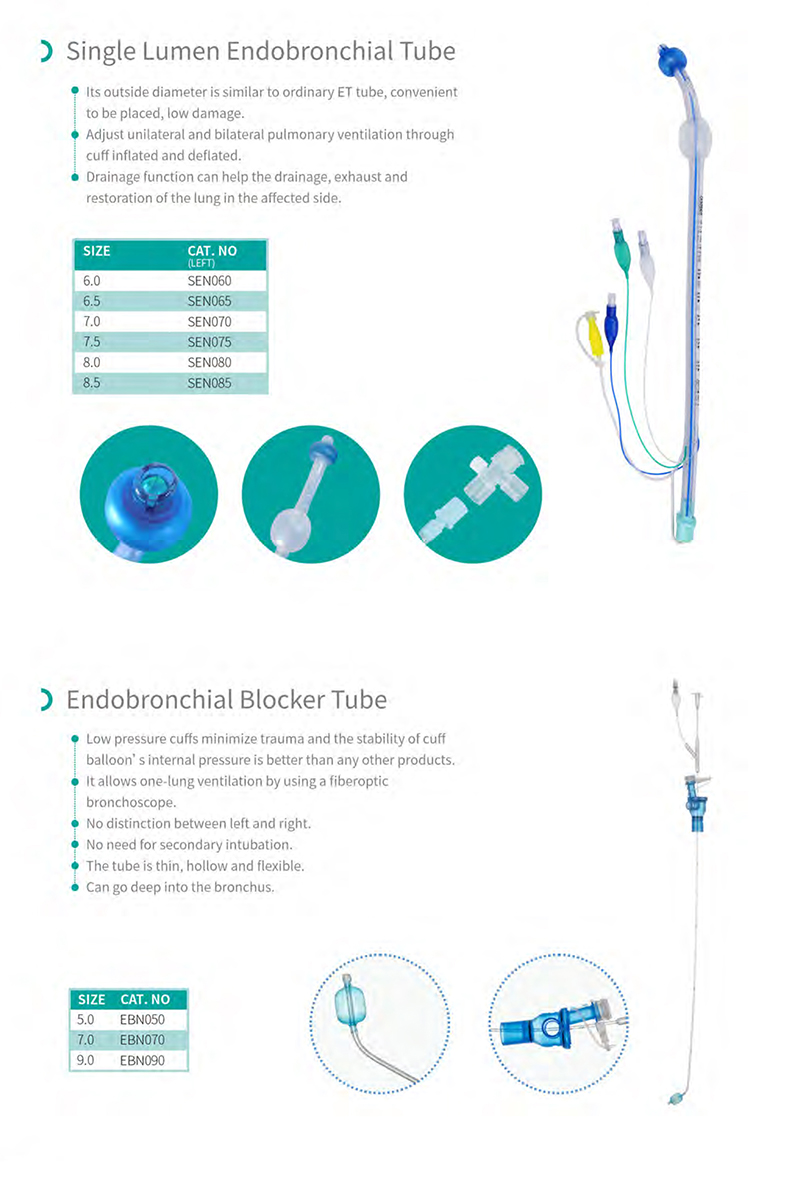
An endobronchial tube is a specialized medical device used to maintain airway patency during anesthesia or mechanical ventilation. It allows for selective ventilation of one lung, often utilized in procedures involving thoracic surgery.
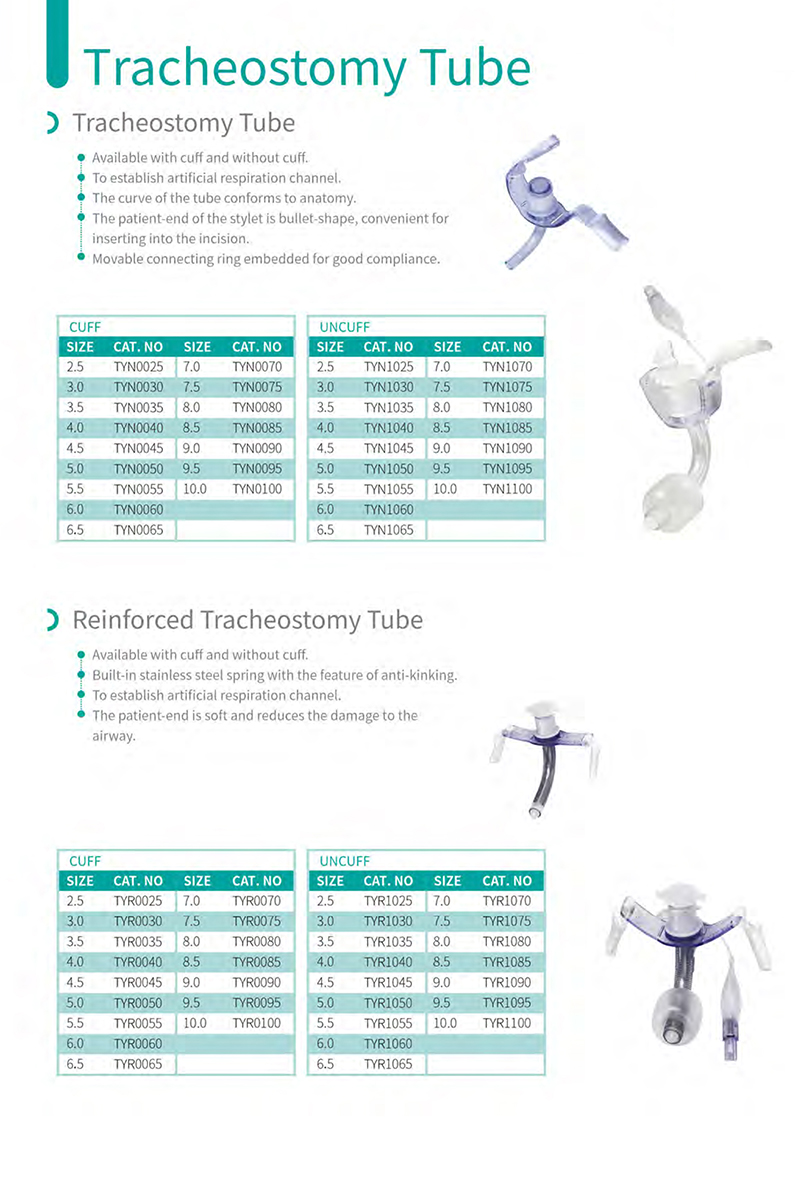
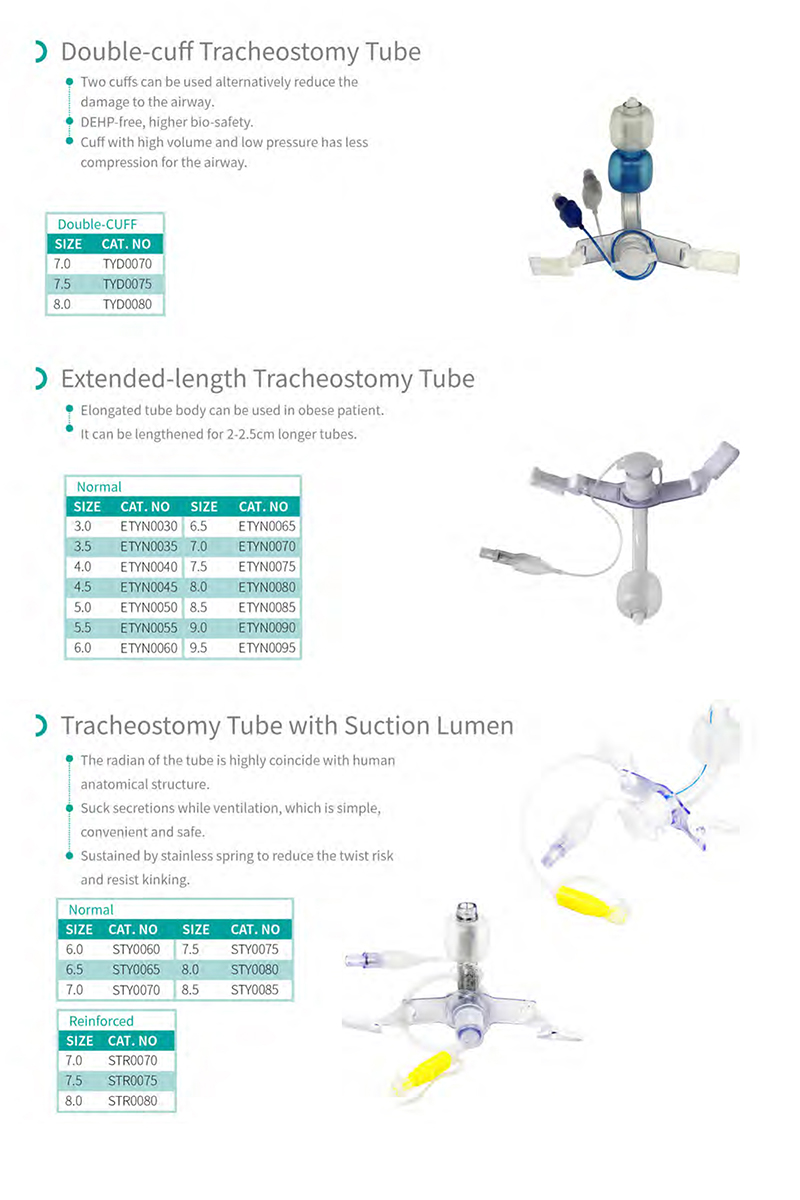
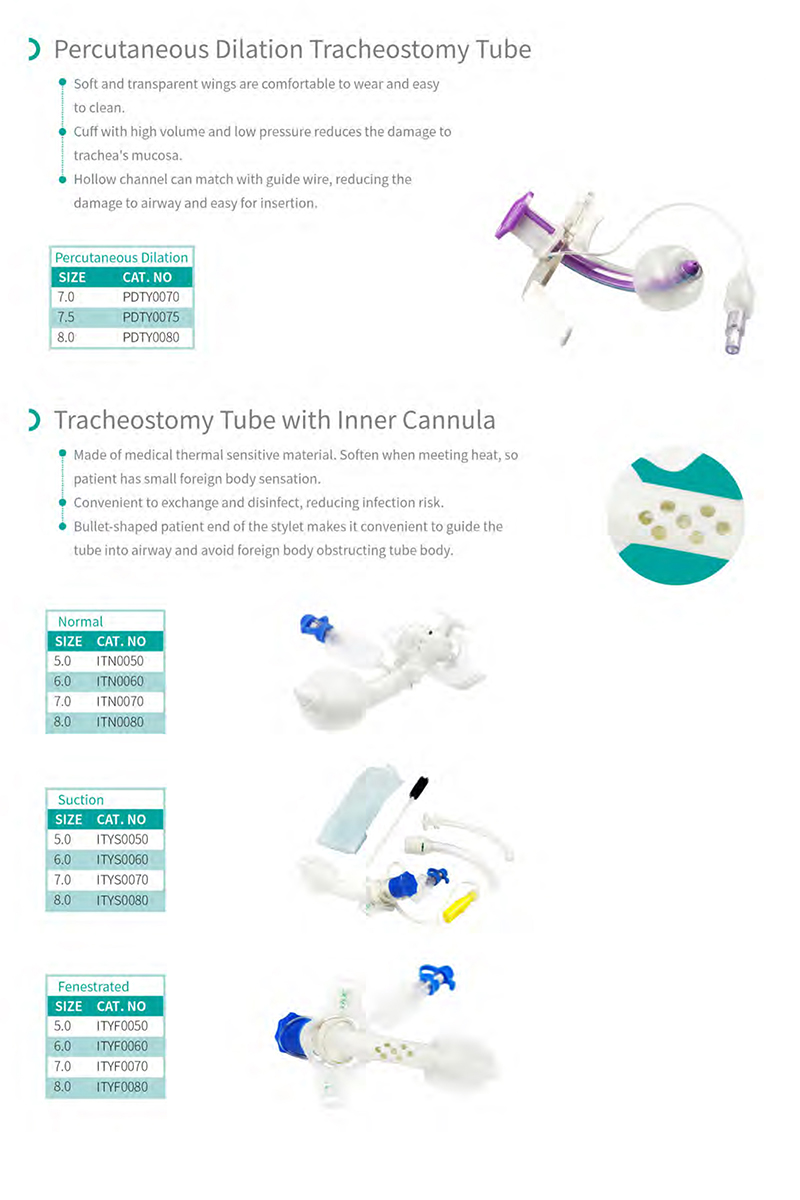
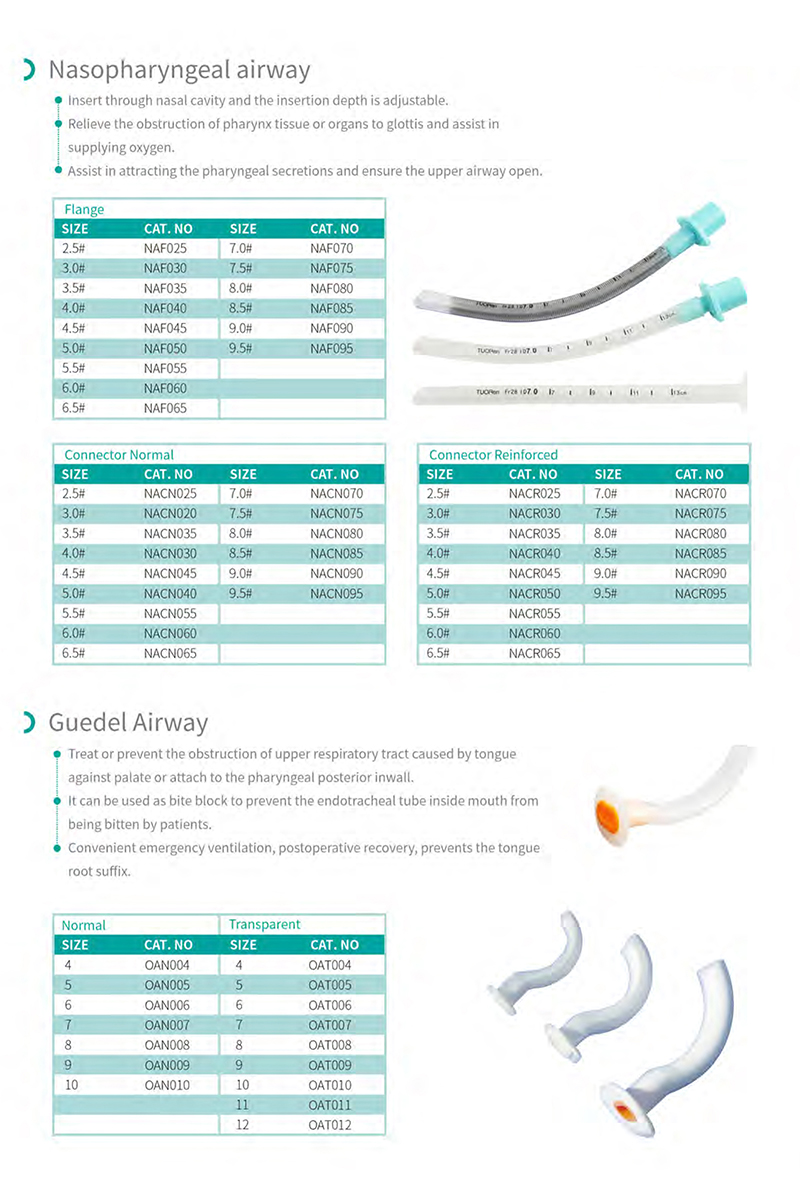
A tracheostomy tube is a medical device inserted into the trachea through a surgical opening in the neck, providing an alternative airway for patients with obstructed or compromised breathing. It facilitates long-term ventilation and can improve comfort for those requiring prolonged respiratory support.
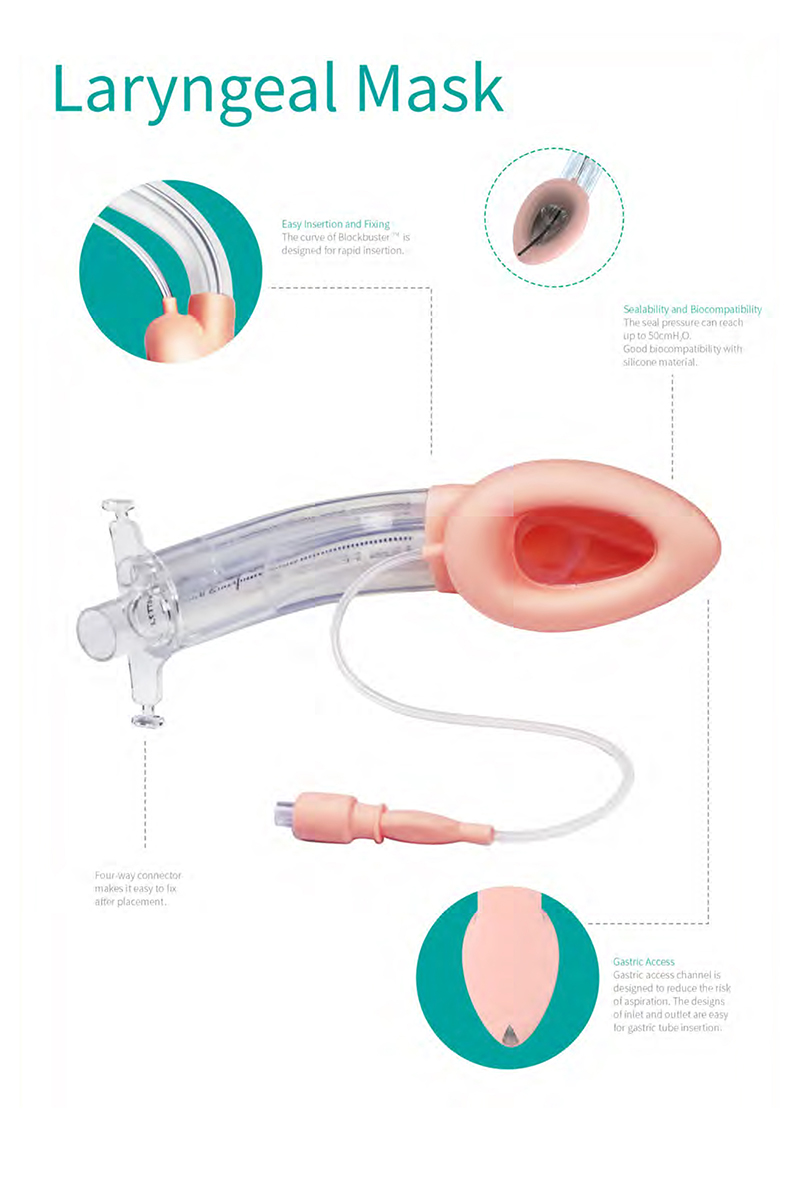
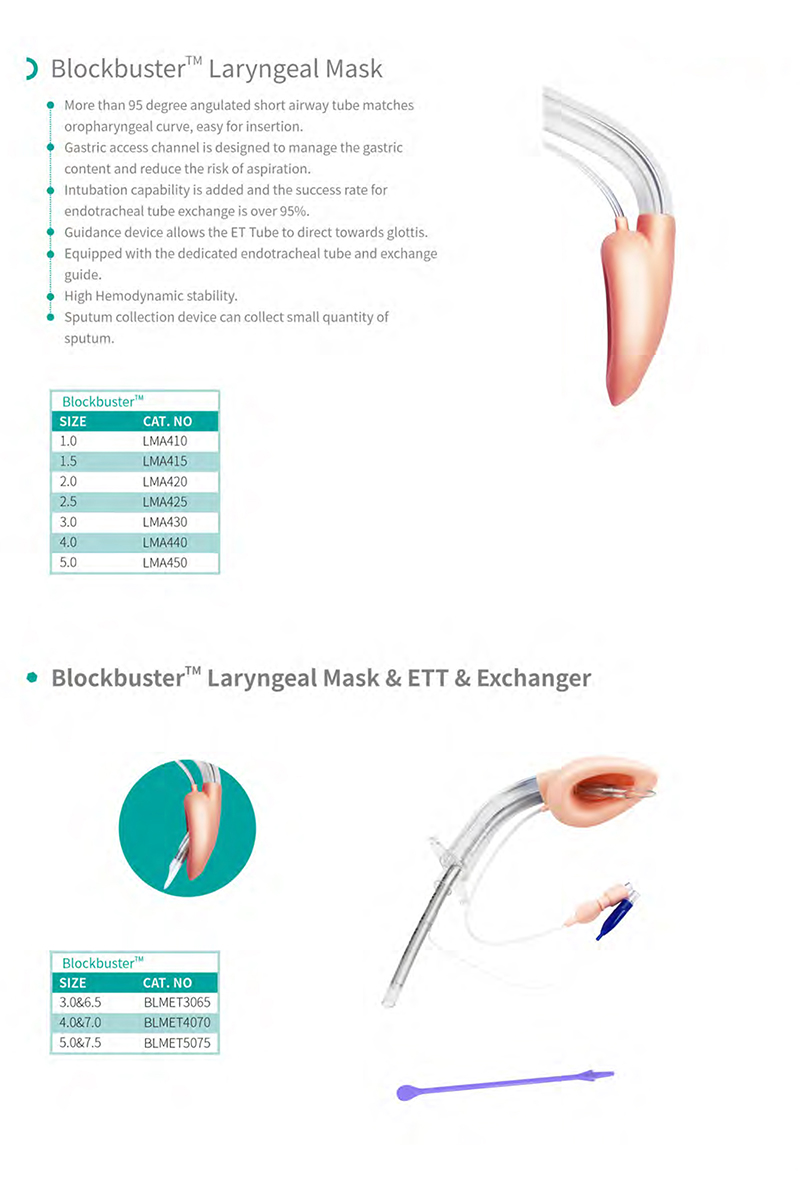
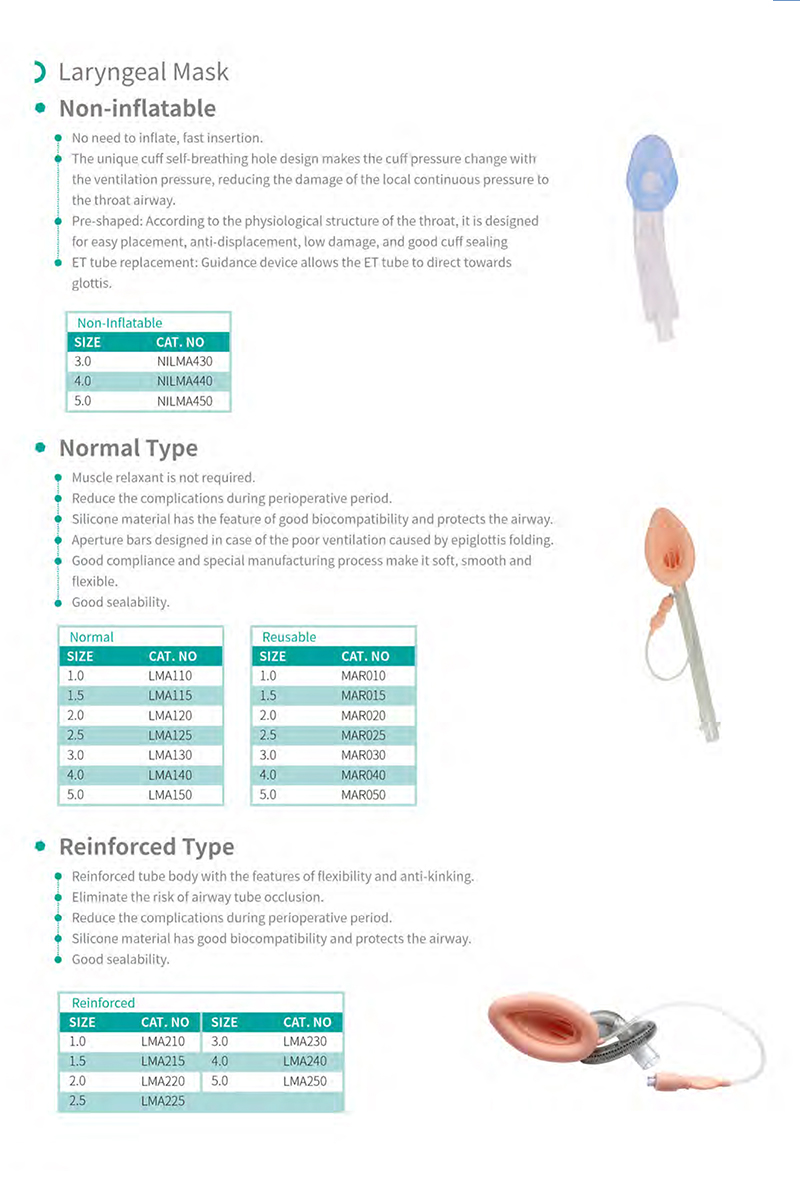
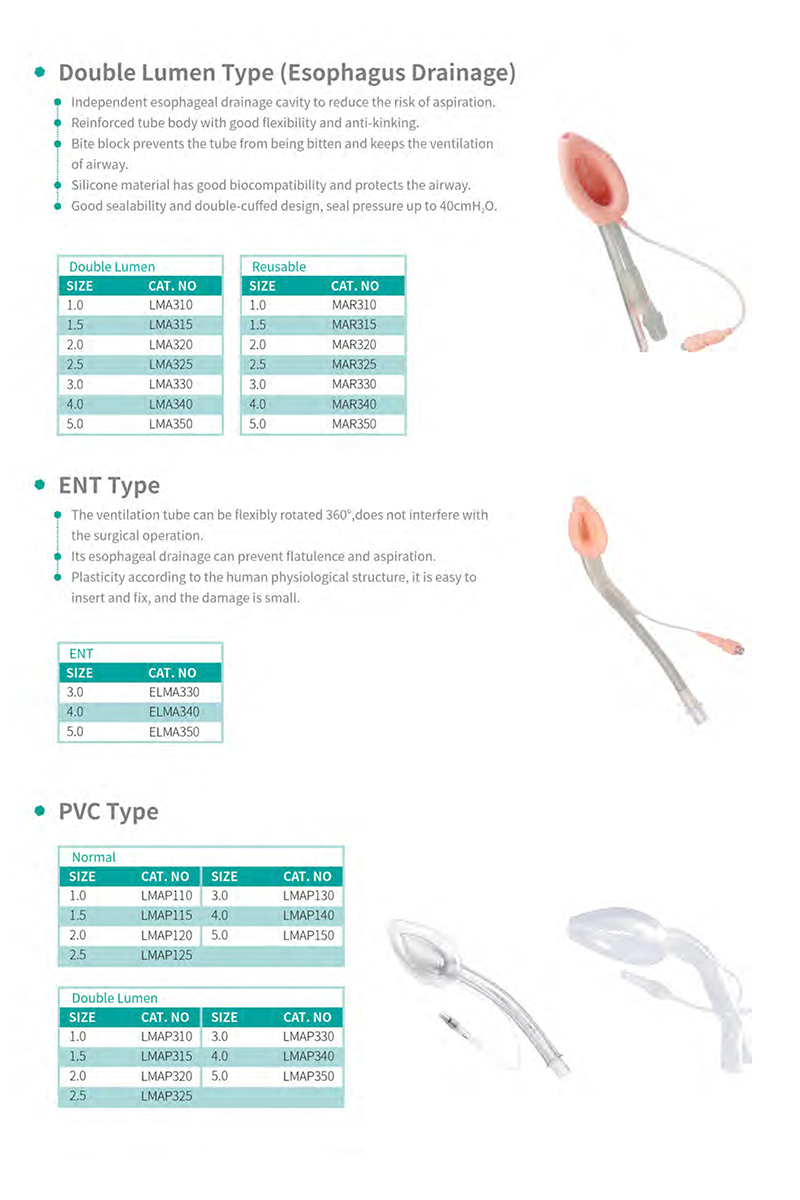
A laryngeal mask is a supraglottic airway device used in anesthesia and emergency medicine to maintain airway patency without intubation. It sits above the vocal cords, allowing for effective ventilation while minimizing trauma to the airway.
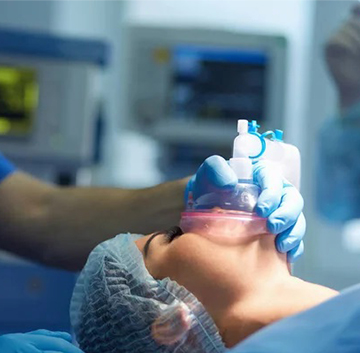
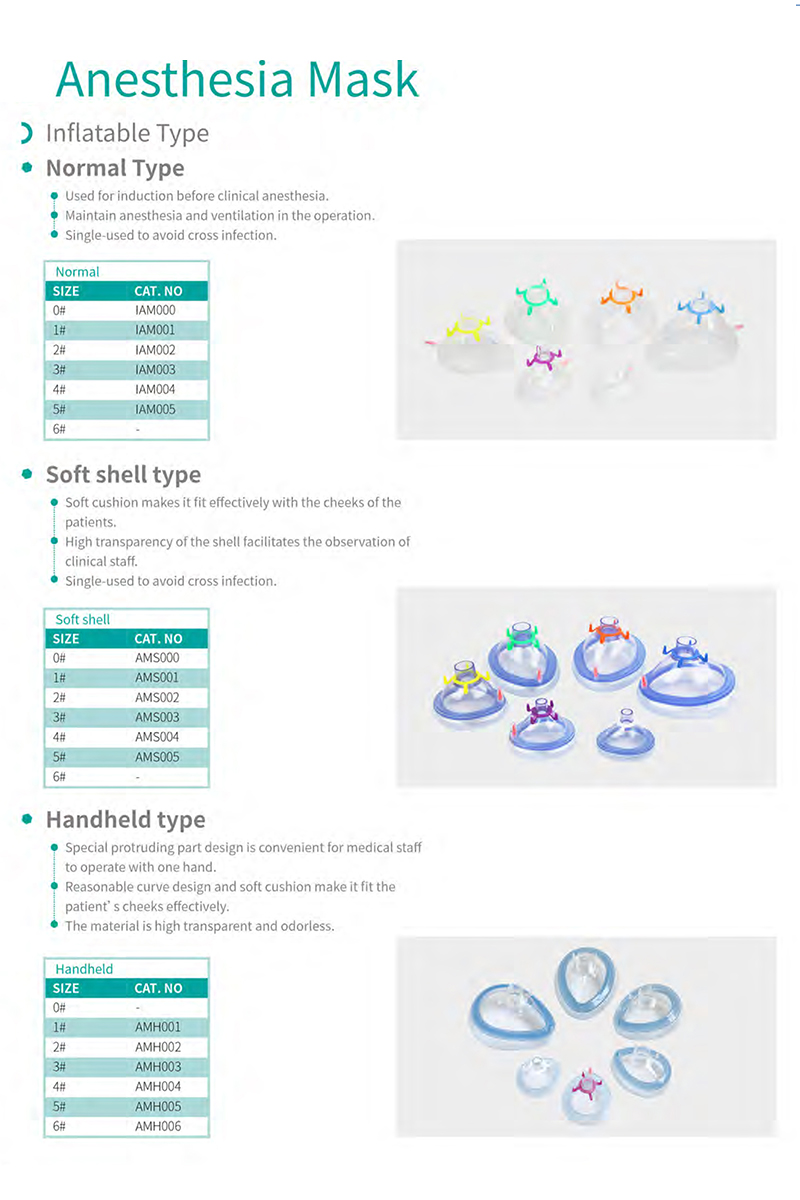
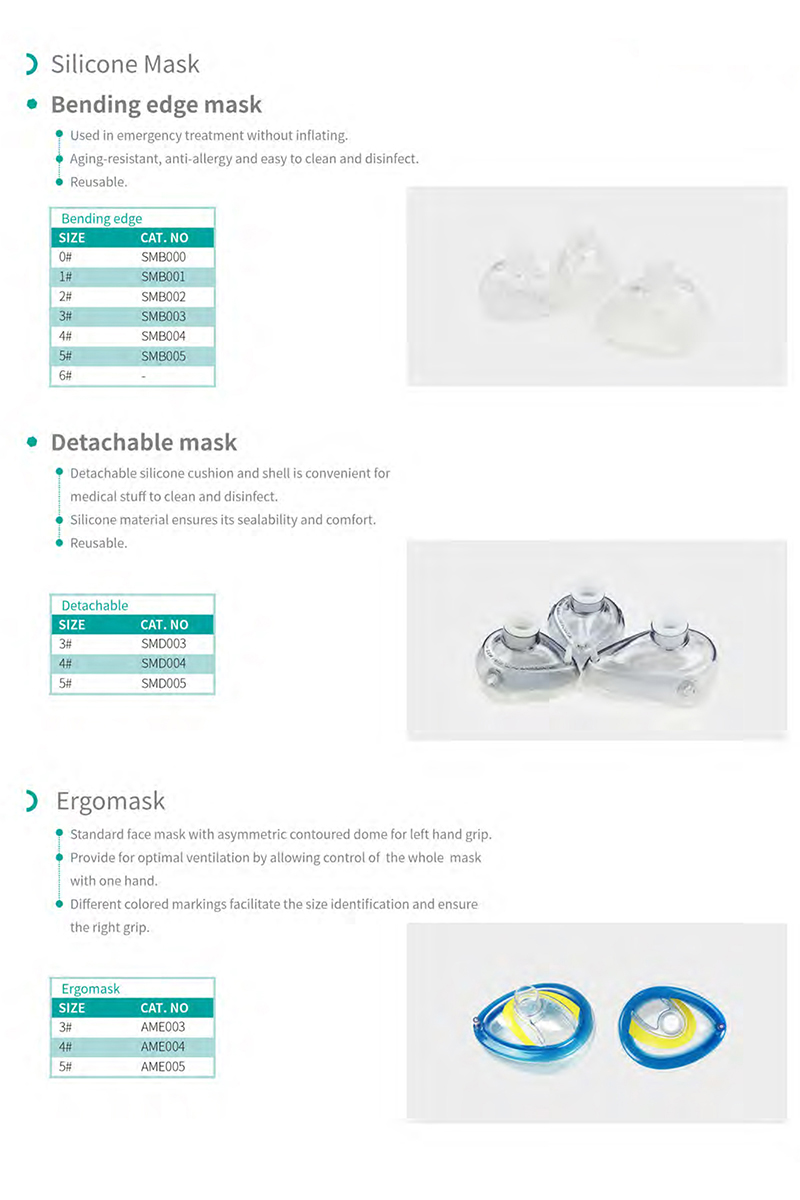
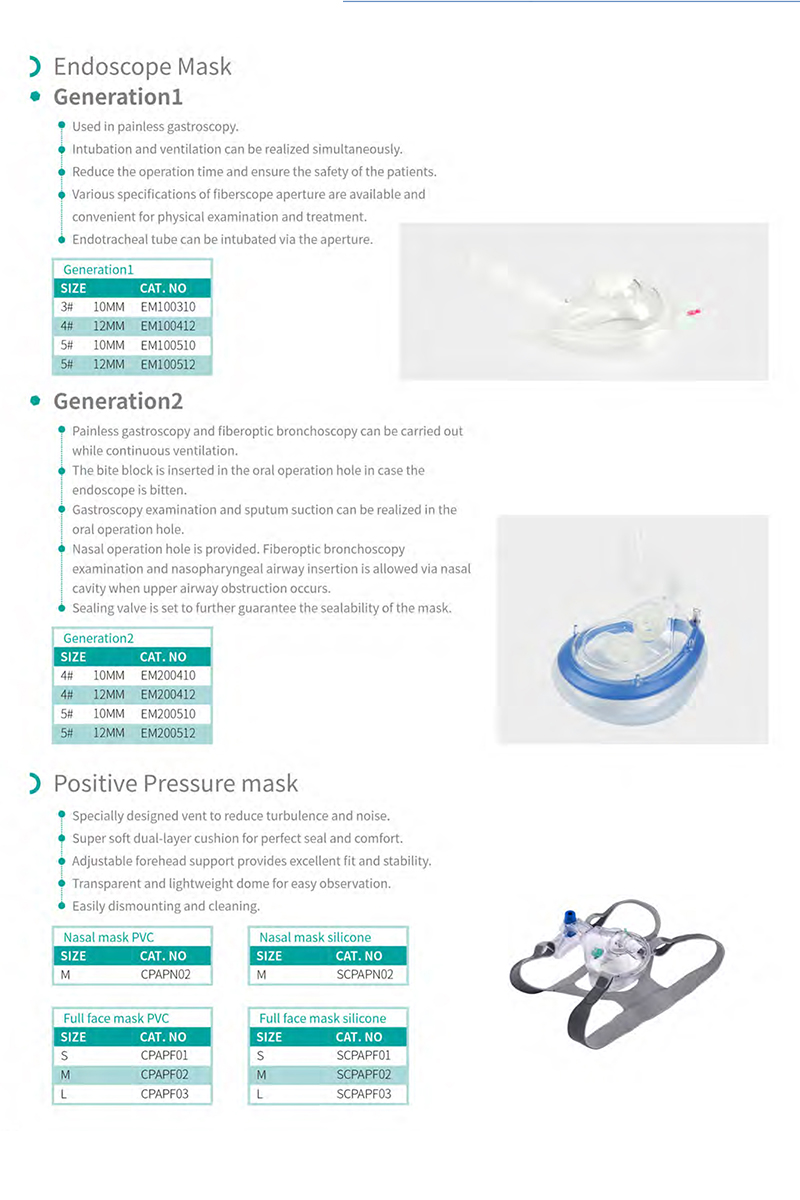
An anesthesia mask is a soft, flexible mask used to deliver anesthetic gases to patients during surgery. It fits over the nose and mouth, ensuring a secure seal for effective ventilation and sedation.
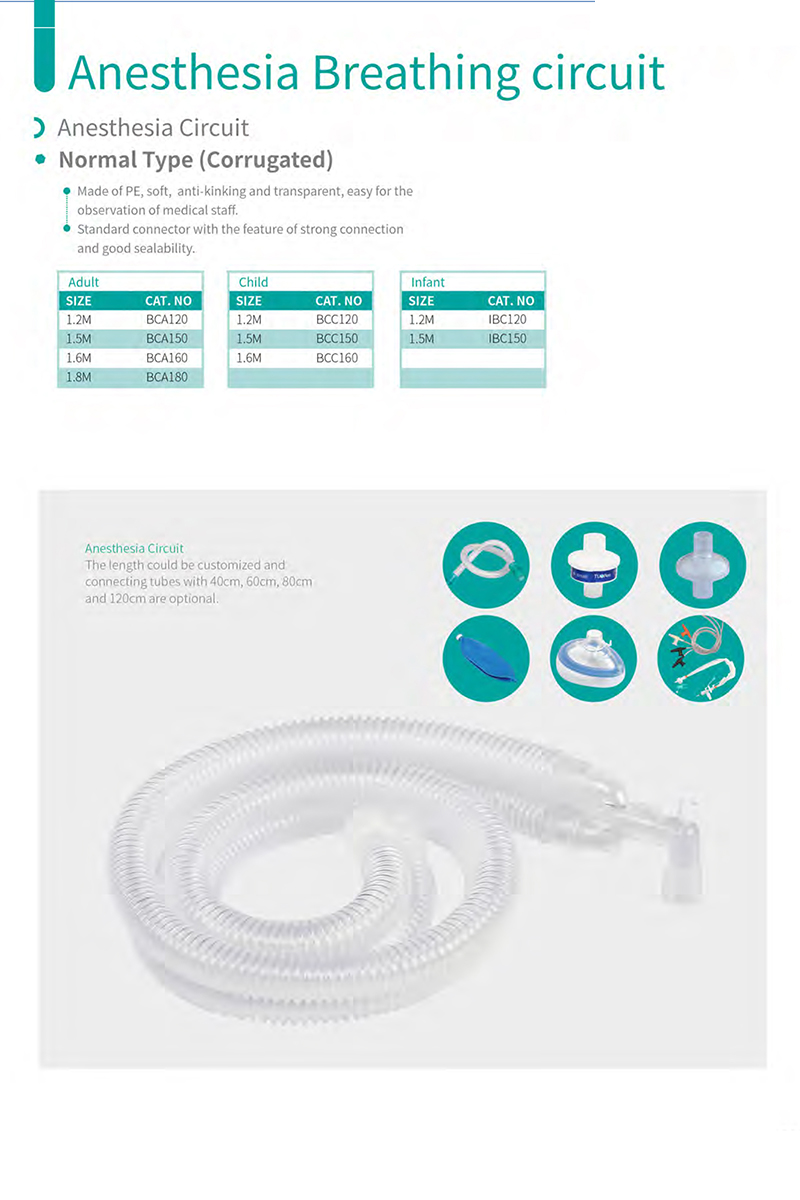
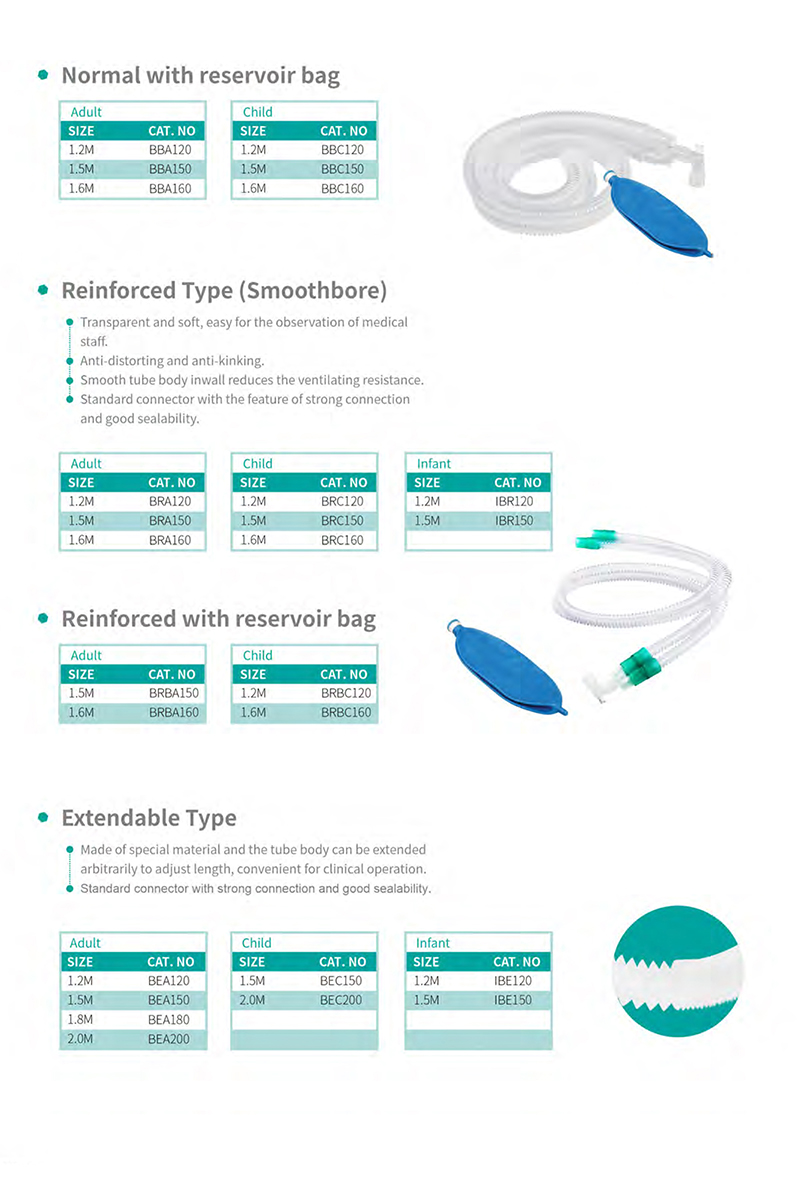
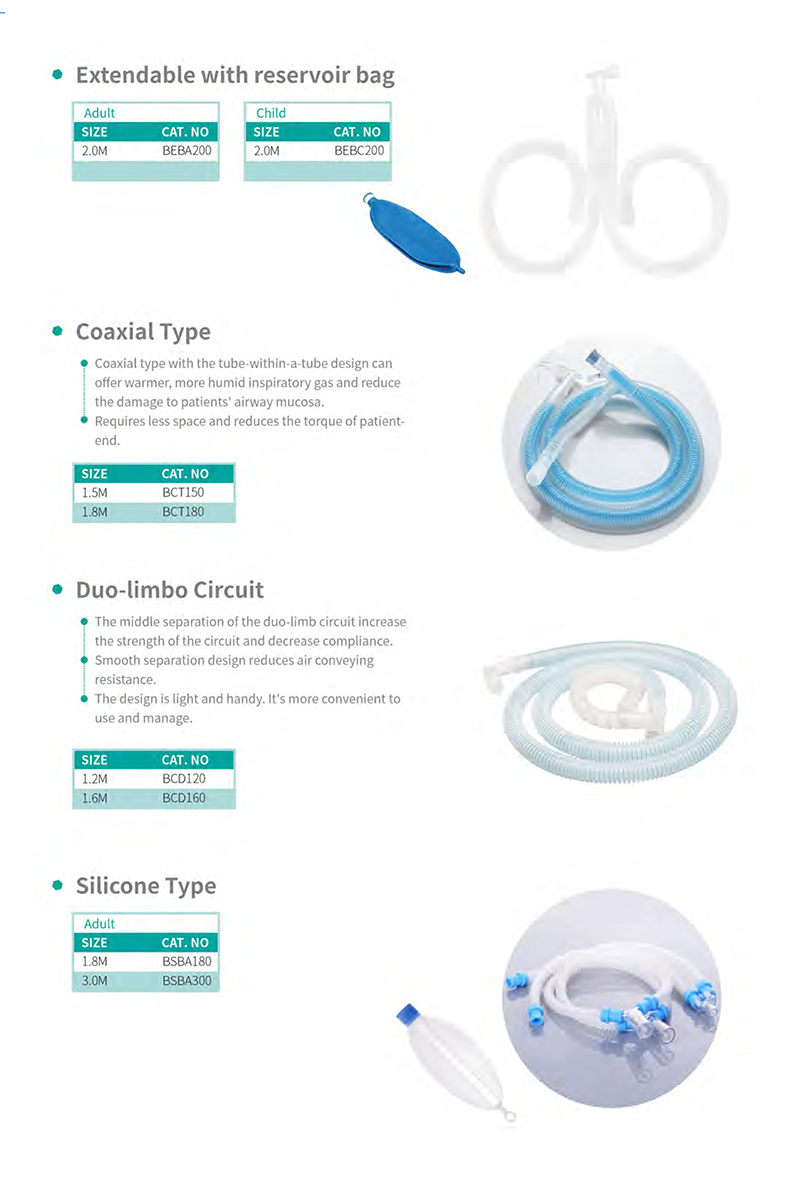
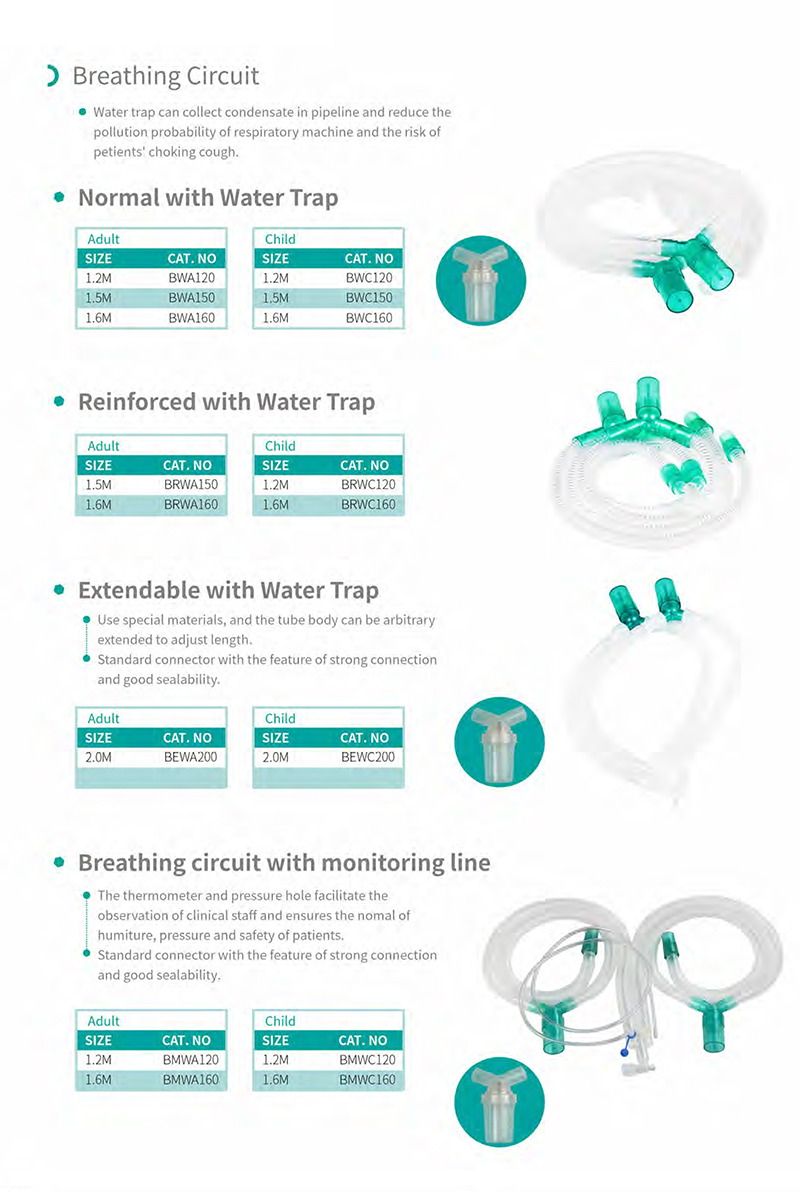
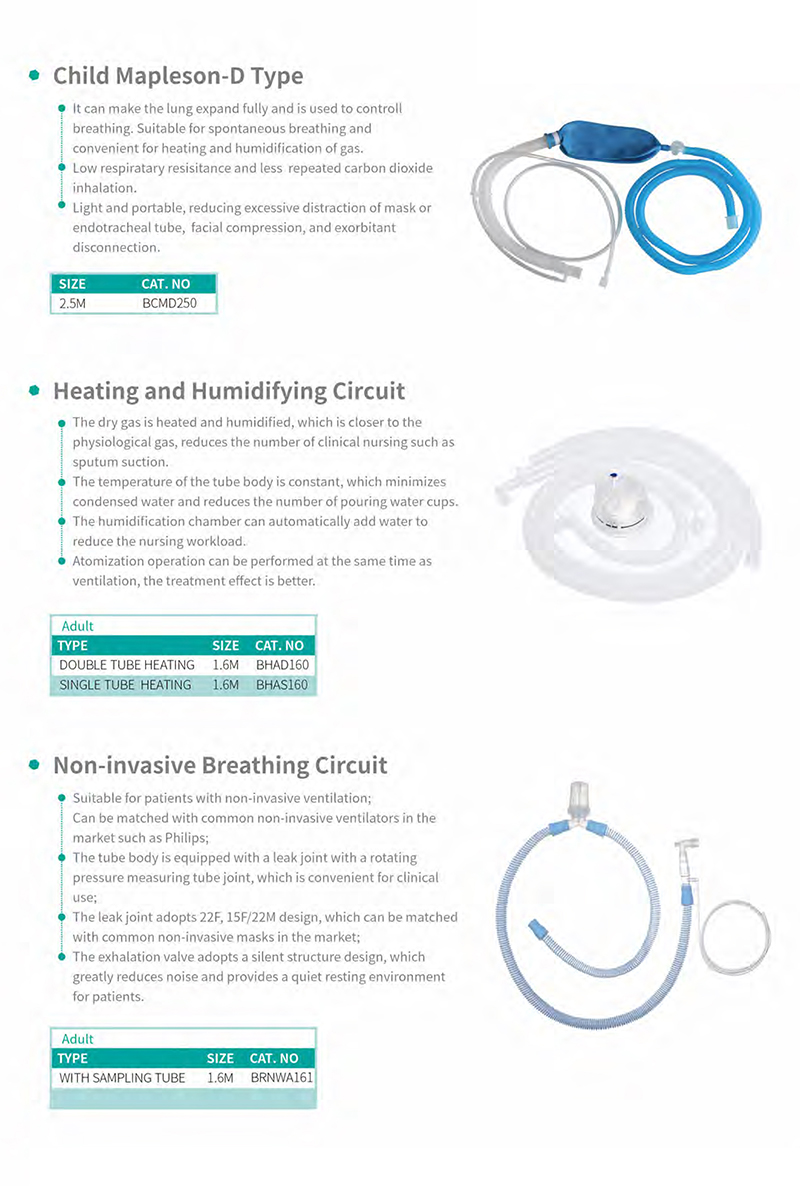
An anesthesia breathing circuit is a system of tubes that connects the anesthesia machine to the patient, allowing for the delivery of inhaled anesthetics and oxygen. It facilitates the removal of exhaled gases and ensures a controlled flow of anesthetic agents during surgical procedures.
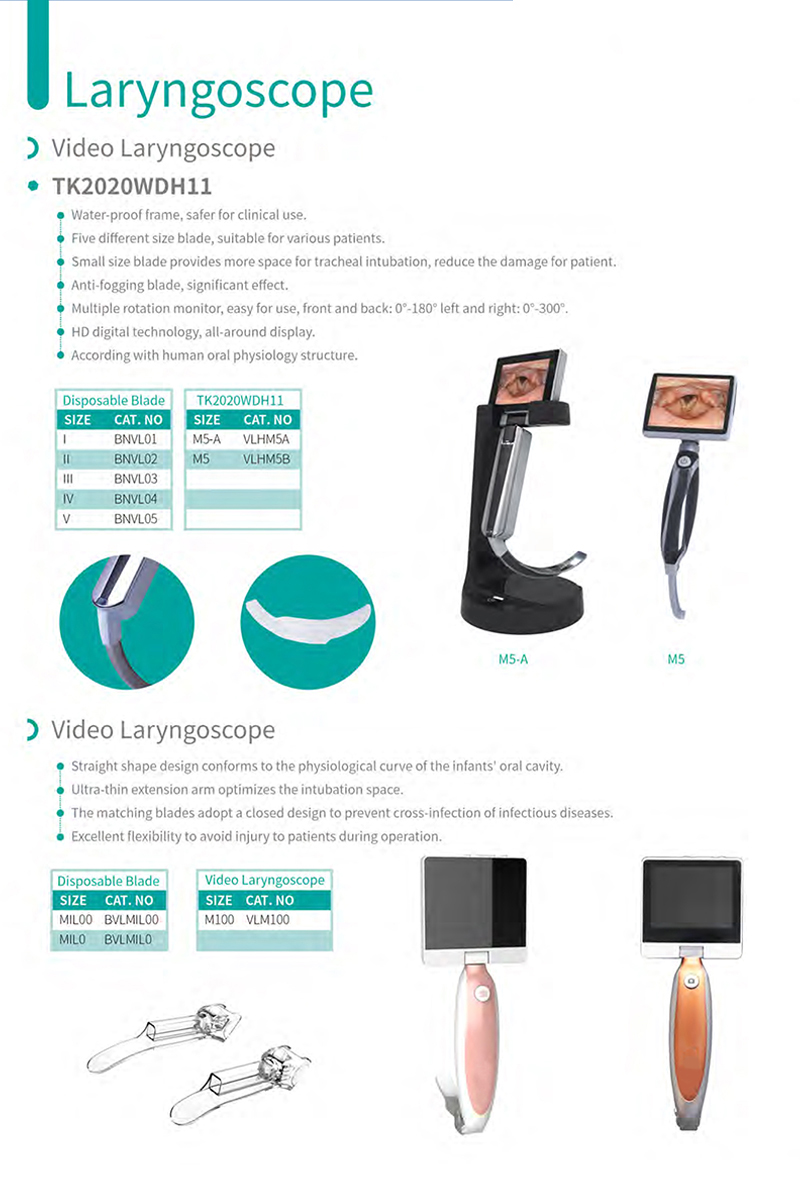
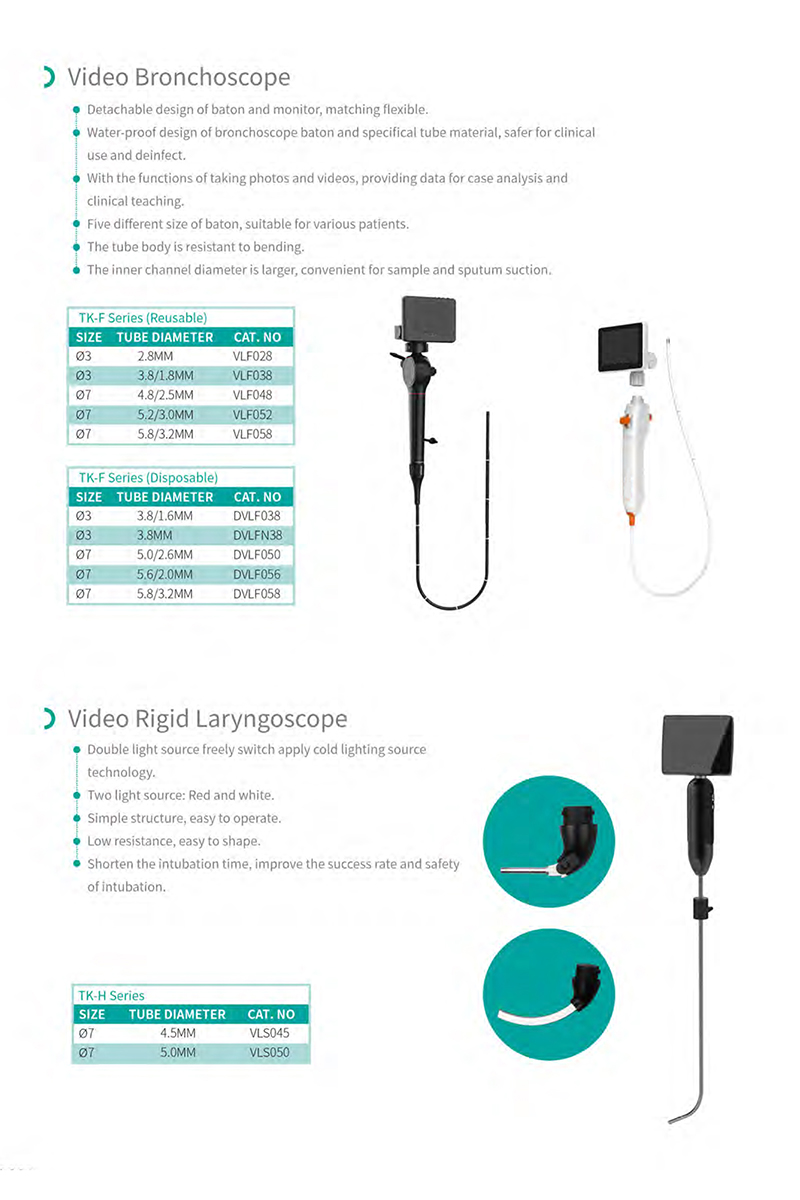
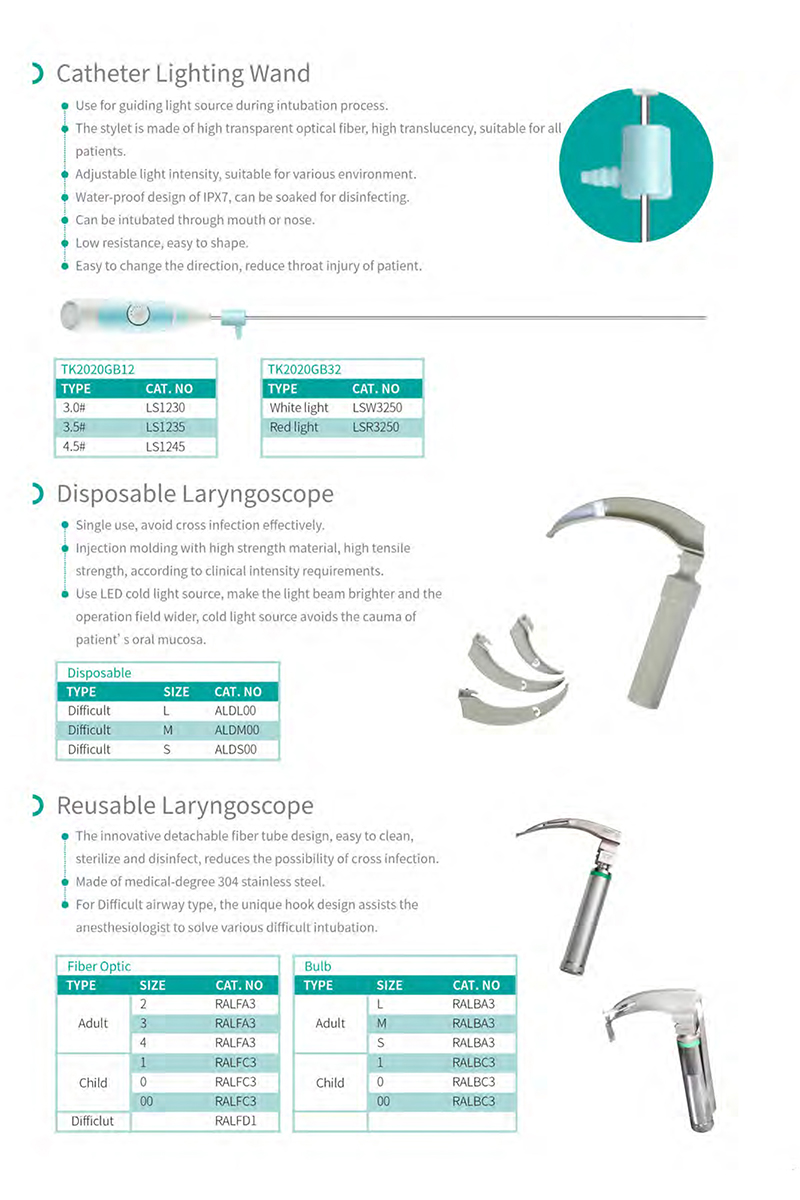
A laryngoscope is a medical instrument used to visualize the larynx and facilitate intubation by providing a clear view of the vocal cords. It typically consists of a handle and a blade, which can be curved or straight, allowing healthcare providers to secure the airway during procedures.